The Weatherization Assistance Program for Seniors in 2026: Free Home Upgrades, Real Income Limits
6 min read · Last updated August 19, 2026
- The federal Weatherization Assistance Program (WAP) pays for home energy upgrades like insulation, air sealing, and furnace repair at no cost to eligible households, and households save an average of $372 or more a year on energy costs afterward.
- Income eligibility is set at 200% of the federal poverty guidelines, or your state can instead use LIHEAP’s 60%-of-state-median-income standard, whichever your state has chosen.
- For a single person in the 48 contiguous states, 200% of the current poverty guideline is $31,300 a year; for a two-person household it’s $42,300.
- Seniors are named as a priority population under WAP, along with households with a disability, high energy users, and households with a high energy burden, meaning your application can be moved ahead of the general queue.
In this article
- What the program actually pays for
- Who qualifies, in real dollars
- Why seniors get priority
- How to apply
- What seniors get wrong
- Frequently asked questions
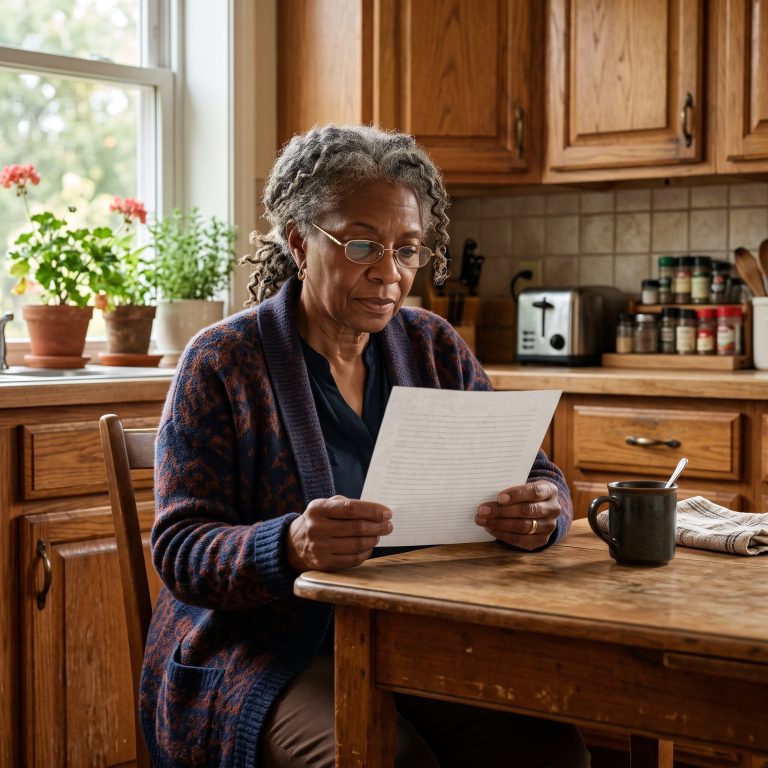
Ruth, 71, lives alone in the house she and her late husband bought in 1988. Her gas bill jumped $60 a month this past winter, and a contractor quoted $4,000 to fix the attic insulation she couldn’t see was missing. She never called the contractor. A weatherization technician from her state’s WAP program did the same work for her at no cost three weeks later.
What the program actually pays for
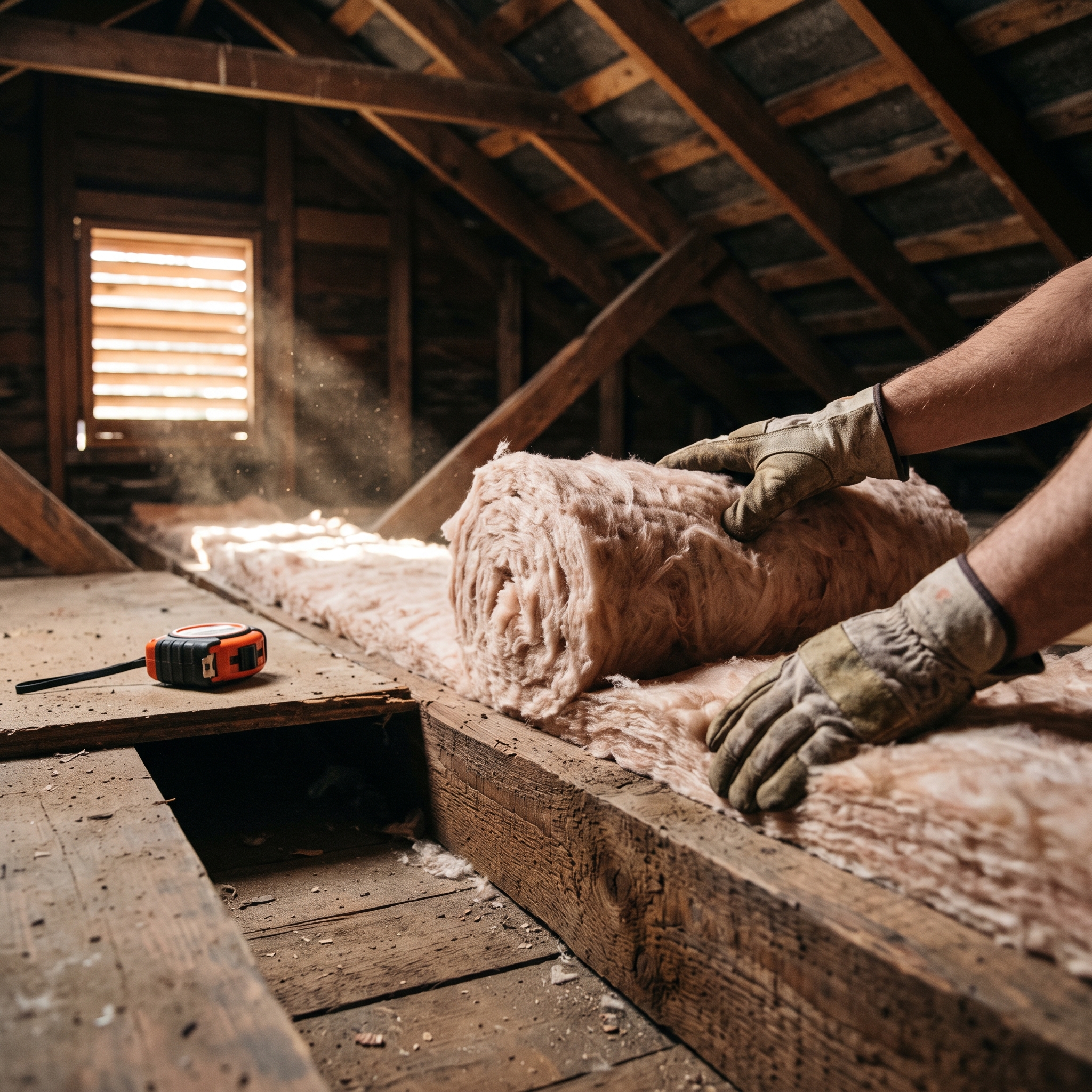
The Weatherization Assistance Program (WAP), run by the U.S. Department of Energy through state and local agencies, pays for a home energy audit followed by whatever combination of upgrades that audit identifies: attic and wall insulation, air sealing around windows and doors, furnace or heating system repair or replacement, and health and safety checks like combustion appliance testing. DOE’s own program page states that households receiving these upgrades save an average of $372 or more every year on energy costs.
There’s no cost to the eligible household for the audit or the work performed. Both homeowners and renters can apply, though a renter typically needs landlord permission for work done on the structure itself.
Who qualifies, in real dollars
Eligibility is based on income, and DOE gives states two ways to set the line. The default standard is 200% of the federal poverty guidelines; a state can instead choose to use the same income standard as the Low Income Home Energy Assistance Program (LIHEAP), which is 60% of that state’s median income. DOE’s published poverty income guidelines for WAP show exactly what 200% looks like in real dollars for the 48 contiguous states.
| Household size | 100% poverty guideline | 200% (WAP income limit) |
|---|---|---|
| 1 | $15,650 | $31,300 |
| 2 | $21,150 | $42,300 |
| 3 | $26,650 | $53,300 |
| 4 | $32,150 | $64,300 |
If you already receive Supplemental Security Income (SSI), that alone establishes income eligibility under DOE’s guidelines in most cases, since SSI recipients are treated as automatically meeting the income test. If your state instead uses the LIHEAP standard, ask your local weatherization provider which threshold applies where you live, since it changes the household income cutoff.
Why seniors get priority
DOE’s guidelines specifically name the elderly as a priority population for weatherization services, alongside households with a member who has a disability, families with children, high-energy users, and households carrying a high energy burden relative to their income. Priority status doesn’t guarantee immediate service, since funding and staffing vary by local agency and waitlists exist in many areas, but it does mean your application is weighted ahead of a general applicant with no priority factors.
If you’re already receiving LIHEAP help paying your winter heating bill, weatherization is worth asking about at the same time, since our guide to LIHEAP eligibility for seniors on a fixed income covers the companion program that pays the bill itself rather than fixing the underlying heat loss. The two programs are administered by the same local agencies in most states, so one phone call and one income document can start both applications at once instead of two separate processes.
How to apply
WAP doesn’t have a single national application. DOE’s own guidance on applying directs applicants to their state’s designated weatherization agency, which is usually the same state or local community action agency that administers LIHEAP. Contact that agency, confirm your household’s income against the current threshold, and ask to be placed on the waitlist or scheduled for an energy audit, which is the first step before any upgrade work is scheduled.
The energy audit itself is a separate visit from the actual upgrade work. A technician inspects your home for air leaks, insulation gaps, and appliance safety issues, then produces a prioritized list of what your home actually needs, which is why two households with the same square footage can end up with very different scopes of work. Bring a recent utility bill and proof of income to that first call, since most agencies ask for both before scheduling the audit.
What seniors get wrong
The most common mistake is assuming a $4,000 contractor quote for insulation is the only path, when the same work may be available free through WAP, just on a waitlist timeline instead of a same-week schedule. The second is not applying because “someone told me I make too much,” without actually checking the 200% threshold in real dollars or asking whether the state uses the LIHEAP 60%-of-median-income alternative instead, which can be a higher cutoff in some states.
Income thresholds and program funding levels are set annually and vary by state. Confirm current eligibility with your state’s weatherization agency before assuming you don’t qualify.
Frequently asked questions
Does the Weatherization Assistance Program really cost nothing? Yes, for eligible households. The energy audit and the upgrades it identifies are provided at no cost to the homeowner or renter. There’s no repayment requirement or lien placed on the home.
What if my income is slightly above 200% of the poverty guideline? Ask your state’s weatherization agency which standard they use. Some states apply the LIHEAP standard of 60% of state median income instead, which can be a different, sometimes higher, cutoff depending on your state.
Does receiving SSI automatically qualify me? In most cases, yes. DOE’s guidelines treat SSI recipients as meeting the income eligibility requirement automatically, though you should confirm this with your local weatherization agency.
Can renters apply, or only homeowners? Both can apply. Renters typically need the property owner’s written permission before structural work like insulation or air sealing can be performed.
How long does it take to actually get the work done after applying? It varies by state and local agency funding, and many areas maintain a waitlist. Ask your local weatherization agency for their current estimated timeline when you apply.