Senior Farmers Market Nutrition Program 2026: Fresh-Produce Coupons Worth Up to $50 a Year
7 min read · Last updated August 21, 2026
- Adults 60 and older qualify for the Senior Farmers Market Nutrition Program (SFMNP) if household income is at or below 185% of the Federal Poverty Level (FPL), which is $29,526 a year for one person in 2026.
- Federal law sets the coupon value between $20 and $50 per person per year, though your state or tribal agency picks the exact amount, and some states are allowed to run higher.
- SFMNP is not the Supplemental Nutrition Assistance Program (SNAP). It has its own application, run by your state or tribal agency, not a federal office.
- Coupons expire at the end of the growing season, often around November 30, and unused balances do not carry over to next year.
In this article
- What the Senior Farmers Market Nutrition Program actually is
- Who qualifies: age 60+ and the 185% income test, in real dollars
- What the benefit covers and how much it’s worth
- How to apply through your state or tribal agency
- What seniors get wrong about SFMNP
Fresh produce vouchers cover only the summer growing season. For year-round shelf-stable staples instead, see USDA’s Commodity Supplemental Food Program, a separate monthly food box benefit for adults 60 and older.
Frequently asked questions
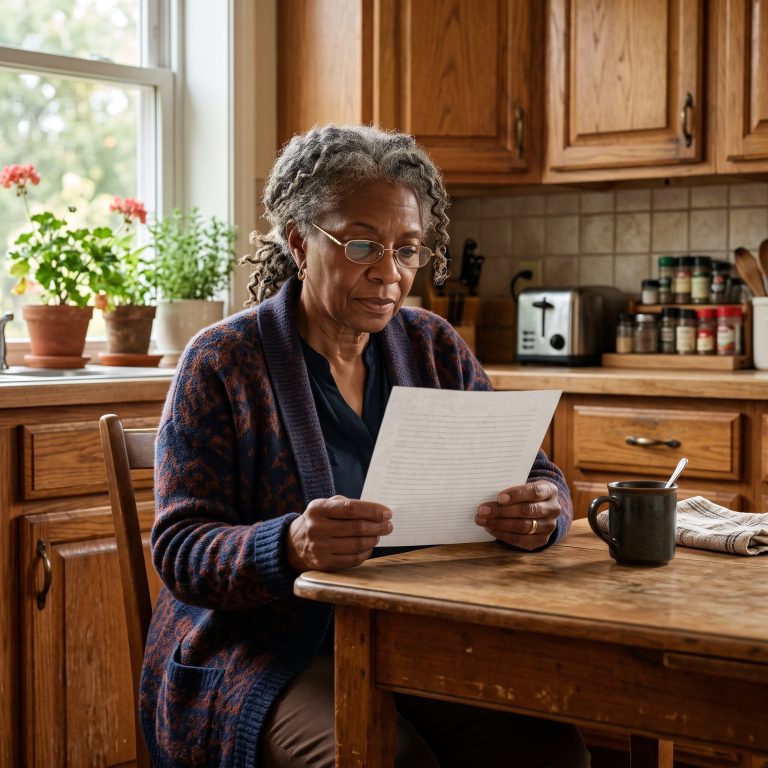
Dorothy Alvarez turned 61 in June and drove to her county’s Area Agency on Aging office that same week. Her Social Security check came to $1,850 a month, well under her state’s cutoff. By the second week of July, she walked out with a booklet of coupons worth $50 for the season, good at three farmers markets within a mile of her apartment.
What the Senior Farmers Market Nutrition Program actually is
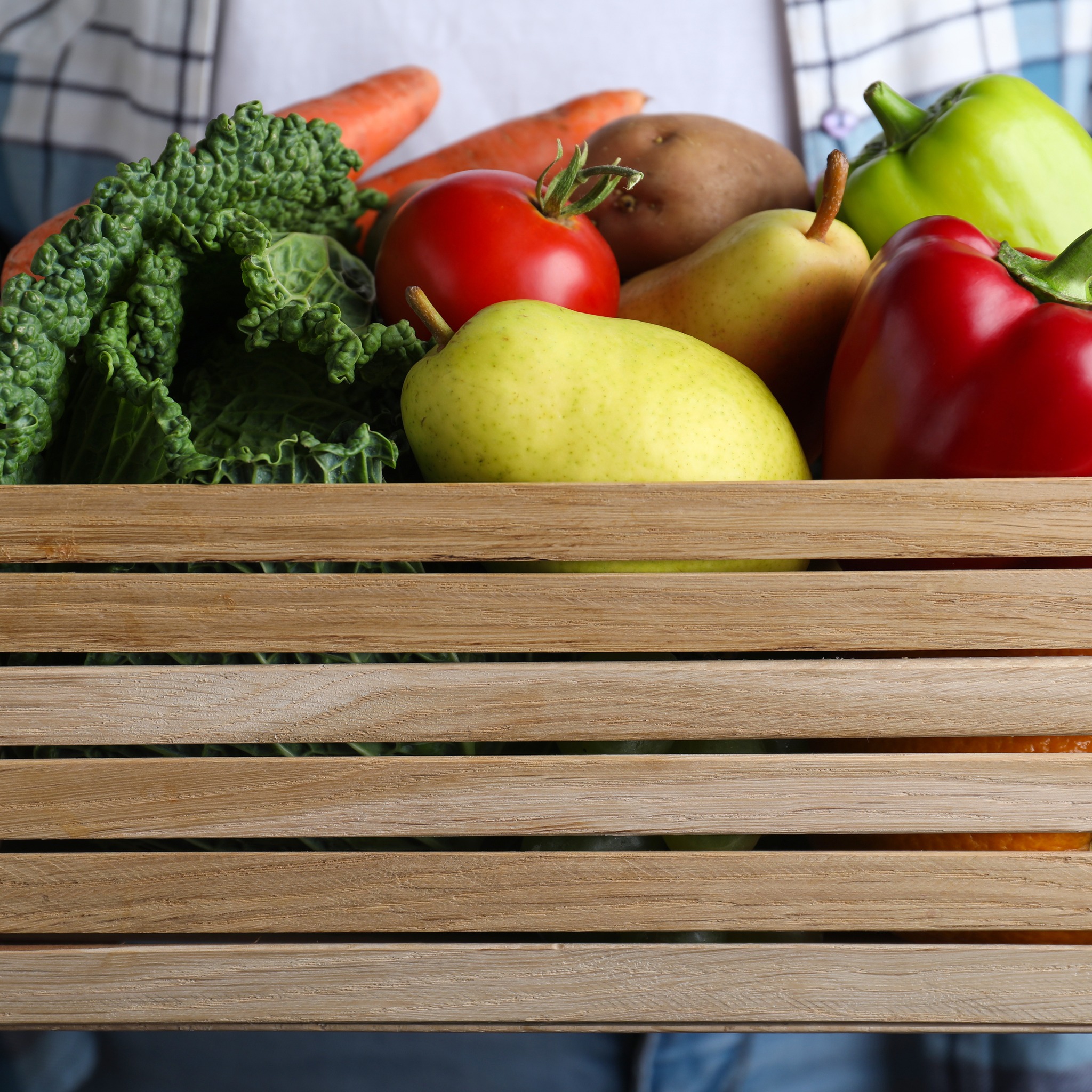
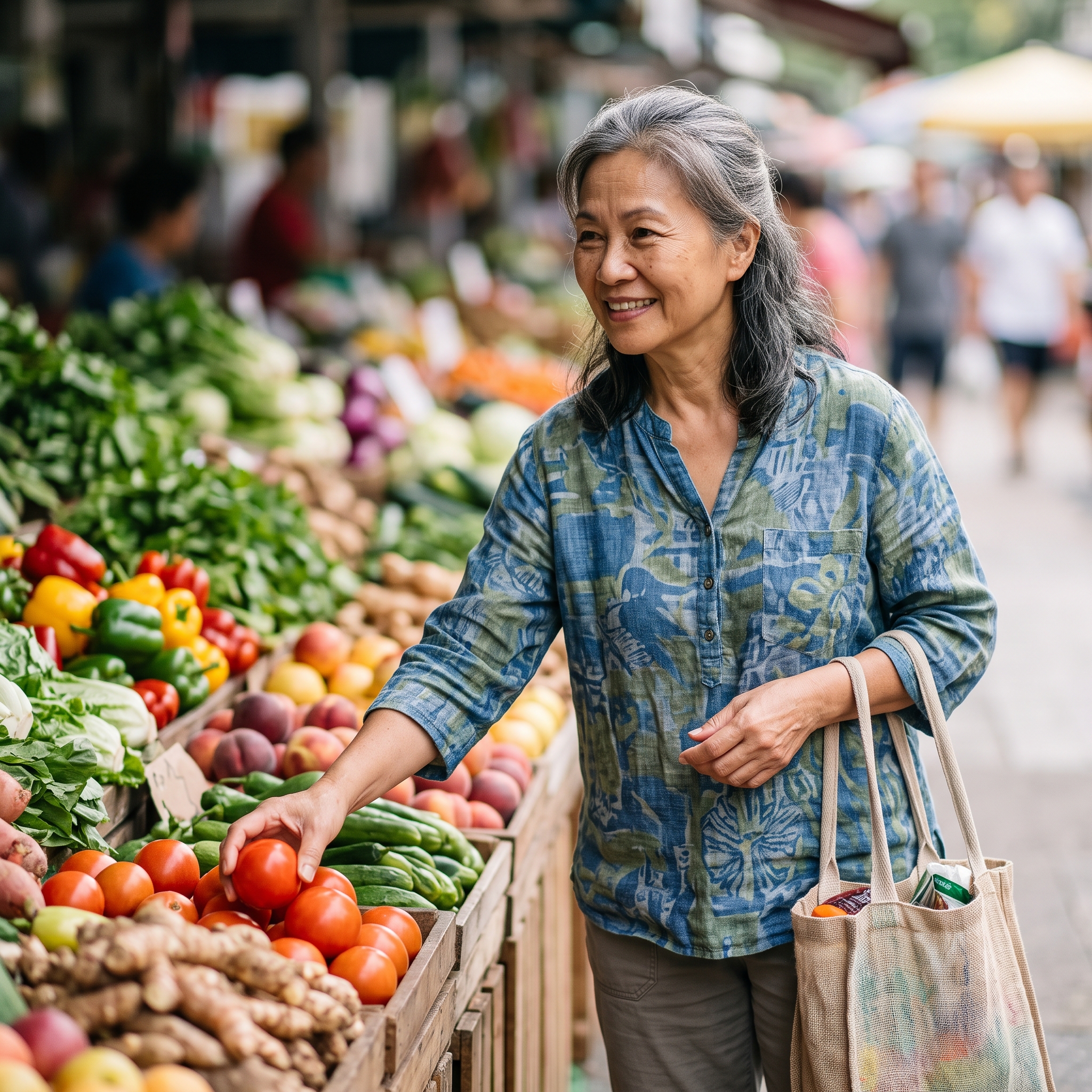
The Senior Farmers Market Nutrition Program (SFMNP) is a grant program run by the United States Department of Agriculture’s (USDA) Food and Nutrition Service (FNS). FNS sends grant money to state agencies, U.S. territories, and federally recognized tribal organizations, and those agencies hand out coupons or checks to eligible seniors. Seniors then use the coupons to buy fresh fruits, vegetables, honey, and fresh-cut herbs. These purchases happen at approved farmers markets, roadside stands, or community-supported agriculture programs, where a farm sells a season’s worth of produce shares directly to local buyers.
In plain terms, this is a food benefit, not a cash payment. You cannot spend an SFMNP coupon on packaged food, meat, or anything at a grocery store. It only works at a farm stand or market your state agency has approved in advance, and only for foods grown by that seller. If you’re already checking your eligibility for other fixed-income senior benefits, our guide to the Low Income Home Energy Assistance Program for seniors on a fixed income walks through a similarly state-administered application.
Who qualifies: age 60+ and the 185% income test, in real dollars
The federal rule is straightforward. You generally qualify if you are at least 60 years old and your household income is at or below 185% of the Federal Poverty Level (FPL). The FPL is the government’s yearly measure of the minimum income needed to cover basic costs. The USDA Food and Nutrition Service confirms this exact threshold on its own program page.
Here is what that percentage means in real money. The Department of Health and Human Services (HHS), through its Assistant Secretary for Planning and Evaluation (ASPE) office, sets the poverty guideline for one person at $15,960 a year for 2026. Multiply that by 1.85 for the SFMNP income ceiling: $15,960 x 1.85 = $29,526 a year, or about $2,461 a month. If your monthly income sits at or under that number, and you’re not in Alaska or Hawaii (which use their own higher guidelines), you likely qualify on income alone.
Some state agencies skip the paperwork entirely if you can show you’re already enrolled in another income-tested program. This includes the Supplemental Nutrition Assistance Program (SNAP) or the Commodity Supplemental Food Program, which delivers monthly food packages to low-income seniors. Bring that enrollment letter to your application appointment. It can replace a full income review.
A federally recognized tribal organization can also receive an SFMNP grant directly and run the program for elders in its own community. This generally uses the same 60-and-older, income-based test, unless its own approved plan documents something different. If you’re an enrolled tribal member, ask your tribe’s aging or nutrition office whether it administers SFMNP locally before you go through a state agency.
What the benefit covers and how much it’s worth
Federal law sets a floor and a ceiling: Title 7 of the Code of Federal Regulations (7 CFR), § 249.8(b)(1), states the SFMNP benefit level “may not be less than $20 per year or more than $50 per year” per participant, whether individual or household. A handful of states that joined the program under older rules are allowed to run a different amount. Any state can also add its own money, local funds, or private donations on top of the federal share. So the real number you get depends entirely on which state or tribal agency issues your coupons, not on a single nationwide figure.
This is a small program by design. In fiscal year 2022, 757,751 people participated nationwide, per USDA’s own FY2022 SFMNP Fact Sheet. That is real reach, but it also means the checks are modest: think of SFMNP as a seasonal top-up for fresh produce, not a replacement for a grocery budget.
How to apply through your state or tribal agency
This is where most of the confusion starts. SFMNP has no single federal application. You apply through whichever agency administers it in your area, which is usually a state Department of Agriculture, a state or Area Agency on Aging, or a tribal organization. Most agencies require an in-person visit, and most run on a first-come, first-served basis with a limited pool of coupon booklets for the year.
California’s state agriculture department is a useful working example. It requires eligible residents to apply in person through their local agency each market season. Benefits are only good for a fixed window, from mid-June through November 30 in a given year, per the California Department of Food and Agriculture. Once that window closes or the local coupon supply runs out, applications stop until the following year.
Before you apply, call your state’s aging or agriculture office. Ask three questions: when does this year’s application window open, what documents do you need to bring, and how many coupon booklets does the local program have this season. Waiting even two or three weeks after the window opens can mean the difference between getting a booklet and getting a “come back next year” answer.
What seniors get wrong about SFMNP
This mistake trips up people who would otherwise qualify without any trouble. Three patterns show up again and again.
Assuming it’s the same as SNAP. SFMNP and SNAP are different programs with different rules, different agencies, and different applications. Having a SNAP benefits card does not automatically enroll you in SFMNP, and being turned down for one says nothing about your chances with the other. Apply separately for each.
Missing the short seasonal window. Most agencies open applications once a year, for a few weeks, tied to when local markets open for the growing season. If you wait until midsummer to ask about it, coupon booklets in your area may already be gone.
Not realizing the coupons expire. This is the costliest mistake of the three. Coupons are only good through a set date each growing season, commonly around November 30 depending on your state, and any balance left unspent after that date is gone. Spend what you’re given before the season closes; do not save coupons “for later.”
| Household size | 2026 Federal Poverty Level (100%) | SFMNP income ceiling (185% of FPL) | 185% FPL, per month |
|---|---|---|---|
| 1 | $15,960/year | $29,526/year | $2,461/month |
| 2 | $21,640/year | $40,034/year | $3,336/month |
| 3 | $27,320/year | $50,542/year | $4,212/month |
| 4 | $33,000/year | $61,050/year | $5,088/month |
Frequently asked questions
Do I qualify if I’m still working part-time? Yes, as long as your total household income, including part-time wages, stays at or below 185% of the Federal Poverty Level for your household size. There’s no rule against working while receiving SFMNP benefits. What matters is the income total on your application, not its source.
What happens if I miss this year’s application window? You’ll need to wait until your state or tribal agency opens applications again next growing season. Coupon booklets are usually limited and distributed first-come, first-served, so agencies rarely accept late applications once the season’s supply is committed. Call ahead so you know when next year’s window opens.
Can I receive both SNAP and SFMNP at the same time? Yes. They are separate programs with separate applications, and qualifying for one does not disqualify you from the other. Some agencies will even accept your SNAP approval letter as proof of income eligibility for SFMNP, which can shorten your application.
Are Native American or Alaska Native elders eligible? Yes. Federally recognized tribal organizations can receive SFMNP grants directly from USDA and run the program for elders in their own community. If you’re an enrolled tribal member, ask your tribe’s aging or nutrition office whether it administers SFMNP locally.
Do unused coupons roll over to the next growing season? No. SFMNP coupons expire on a set date each year, commonly around November 30 depending on your state. Any unspent balance is lost once that date passes, and a new application is required for the next season’s benefit.