
Respite Care Programs for Family Caregivers in 2026: How to Actually Find One Near You
5 min read · Last updated August 19, 2026
- The National Family Caregiver Support Program (NFCSP), created under the Older Americans Act, funded respite care for more than 604,000 caregivers in the most recent year with full national data, providing nearly 6 million hours of relief.
- Eligibility isn’t limited to caregivers of people 60 and older. Since the 2020 reauthorization, it also covers caregivers of any age caring for someone with Alzheimer’s or a related dementia, and grandparents 55+ raising grandchildren.
- Respite care under NFCSP is arranged locally through your Area Agency on Aging, not applied for through a national website or a single federal form.
- The Lifespan Respite Care Program, funded at $10 million in FY2025 across 39 states and D.C., builds the state systems that make local respite easier to find, but it’s not itself a direct-service program you apply to.
In this article
- What respite care programs actually are
- Who qualifies
- What it covers
- How to actually find one near you
- What caregivers get wrong
Some families reach a point where occasional relief isn’t enough and a parent needs daily hands-on help. In several states, Medicaid will actually pay a family member to become the ongoing caregiver through a Structured Family Caregiving or self-directed care program, a different benefit than the respite care described above.
A facility-based concern, like an unexplained charge or a rights issue, is a different problem than day-to-day exhaustion. For that, the Long-Term Care Ombudsman Program provides a free, confidential advocate with no income test.
Frequently asked questions
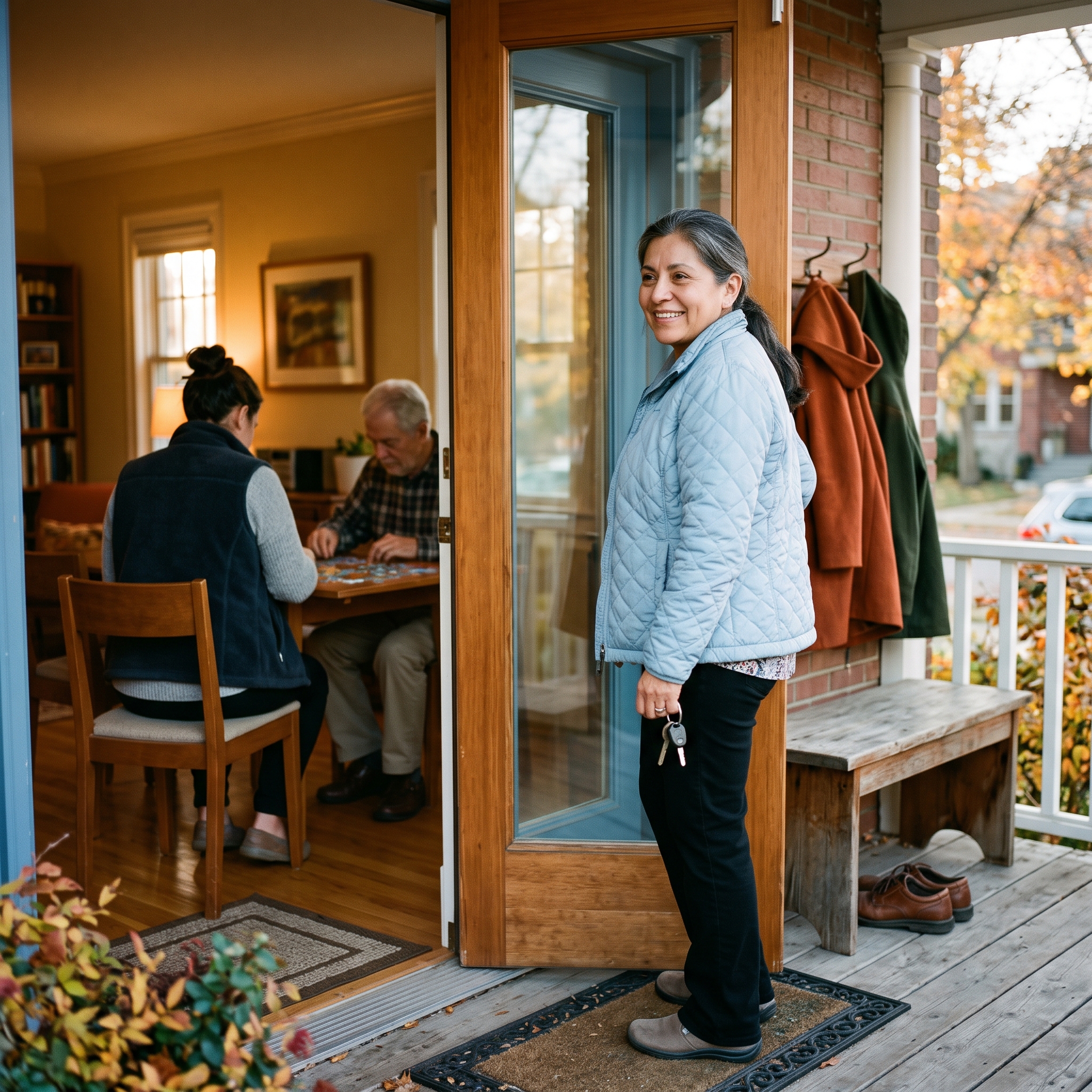
Maria, 56, has been the only person caring for her mother, who has dementia, for three years. She hasn’t had an uninterrupted afternoon since her sister moved out of state. When a friend mentioned “respite care,” Maria assumed it meant a nursing home stay, an all-or-nothing decision she wasn’t ready to make. It isn’t. Respite care is a few hours, a weekend, or a scheduled block of relief, arranged around her mother staying exactly where she is.
What respite care programs actually are
The main federal vehicle for this is the National Family Caregiver Support Program (NFCSP), created under Title III-E of the Older Americans Act and administered through the national network of Area Agencies on Aging (AAAs). ACL’s own program page describes respite care as one of several service categories funded under NFCSP, alongside access assistance (help finding other services) and counseling and training.
In the most recent year with full national reporting, NFCSP-funded respite care reached more than 604,000 caregivers through nearly 6 million hours of temporary relief, delivered at home, through adult day programs, or in short institutional stays. That’s not a pilot program. It’s a decades-old, nationally distributed benefit that most caregivers simply never hear about, because it’s arranged locally rather than advertised nationally.
Who qualifies
Eligibility widened significantly with the Older Americans Act’s 2020 reauthorization. You can now access NFCSP-funded caregiver services, including respite, if you’re any of the following: an adult family member or informal caregiver of someone 60 or older; a caregiver of any age caring for someone with Alzheimer’s disease or a related dementia, regardless of that person’s age; an older relative, other than a parent, age 55 or older raising a grandchild under 18; or an older relative, including a parent, age 55 or older caring for an adult age 18 to 59 with a disability.
That last category matters more than it looks. If you’re 55 or older and caring for an adult child with a disability, or a grandparent raising grandchildren, you qualify under the same program most people only associate with caring for an aging parent.
| Who you’re caring for | Your age | Do you qualify for NFCSP respite? |
|---|---|---|
| A parent or relative 60+ | Any age | Yes |
| Someone with Alzheimer’s or related dementia | Any age | Yes, regardless of the care recipient’s age |
| A grandchild under 18 | 55+ | Yes, as an older relative raising a grandchild |
| An adult child (18-59) with a disability | 55+ | Yes, including parents |
What it covers
Respite under NFCSP can take three forms: in-home respite, where a trained worker comes to the house; adult day program respite, where your family member spends the day at a supervised center; and short-term institutional respite, an overnight or multi-day stay at a facility for planned relief, not a permanent placement. Which forms are available depends entirely on what your local AAA has arranged with providers in your area; there’s no national menu that applies everywhere.
Beyond respite hours themselves, NFCSP funds counseling, support groups, and skills training so caregivers can keep going between respite sessions. Caregivers report the effect is real: in ACL’s most recent survey data, 74% said these services let them provide care longer than they otherwise could have, and 88% said the services made them a better caregiver, and 62% said that without the services, their care recipient would likely be living in a nursing home instead of at home.

How to actually find one near you
Skip searching for a national application. Start with the Eldercare Locator, a federal directory service that connects you to your local Area Agency on Aging by phone or ZIP code lookup. Tell them you’re a family caregiver looking for respite care through the National Family Caregiver Support Program; they’ll walk you through what’s available in your county, since services and even the paperwork vary by state and by AAA.
Have a few basics ready before you call: who you’re caring for and their approximate age, what kind of help would actually give you relief (a few hours weekly, an occasional weekend, or an overnight stay), and whether you’d prefer in-home help or an adult day program setting. The intake worker uses these answers to match you to whichever local providers your AAA already has arranged, rather than starting your search from scratch.
If your parent has been managing home modifications alongside caregiving, it’s worth reading how home modification grants and loans for aging in place work too, since the two often get arranged in the same call to your AAA.
What caregivers get wrong
The biggest mistake is waiting until burnout to look for respite, treating it as an emergency measure instead of a scheduled, recurring part of the caregiving plan. The second is assuming “I’m not caring for someone 60 or older” disqualifies them, when the 2020 reauthorization specifically opened the program to dementia caregivers of any age and to older relatives raising grandchildren or caring for adult children with disabilities.
Programs, funding levels, and local availability change. Confirm current eligibility and service options with your Area Agency on Aging before assuming any benefit described here applies to your situation.
Some caregivers combine respite care with job-protected time off under federal law. See our guide to FMLA eligibility for caring for an aging parent for who actually qualifies. Respite care itself is often funded through the National Family Caregiver Support Program, a federal grant most caregivers have never heard of by name.
For an ongoing daily need rather than a short-term break, see YourResourceHub’s guide to adult day care programs and how they are funded.
Frequently asked questions
Do I have to be caring for someone 60 or older to qualify for respite through NFCSP? No. Since the Older Americans Act’s 2020 reauthorization, caregivers of any age caring for someone with Alzheimer’s or a related dementia also qualify, along with older relatives 55+ raising grandchildren or caring for an adult child with a disability.
How much does respite care through this program cost? Costs vary by state and local program; some services are provided at no cost, while others use a sliding fee scale based on ability to pay. Your Area Agency on Aging can tell you what applies in your county.
Is respite care the same as a nursing home stay? No. Respite is a scheduled, temporary block of relief, whether a few hours at home, a day at an adult day program, or a short planned stay at a facility. It’s designed around your family member returning home, not a permanent placement.
What is the Lifespan Respite Care Program, and is it the same thing? It’s a related but separate federal program that funds states to build and improve their overall respite systems, currently operating in 39 states and D.C. It’s not a program individual caregivers apply to directly; it makes the local respite options NFCSP funds easier to find.
Where do I start if I don’t know what’s available in my area? Call the Eldercare Locator or visit its website, tell them you’re a family caregiver, and ask about respite care through the National Family Caregiver Support Program. They’ll connect you to your local Area Agency on Aging.