Medicare Won’t Pay for a Walk-In Shower. Three Other Programs Might.
6 min read · Last updated August 18, 2026
- Original Medicare does not cover home modifications like grab bars, ramps, or walk-in tubs under any circumstance – it treats them as convenience items, not medical equipment.
- The USDA’s Section 504 program offers homeowners 62+ in eligible rural areas a grant of up to $10,000, plus a separate loan of up to $40,000 at 1% fixed interest.
- Medicaid’s Home and Community-Based Services waivers, active in nearly every state, often cover home modifications as an alternative to nursing home placement – coverage and dollar limits vary by state.
- A medically necessary modification that doesn’t raise your home’s resale value can be deducted in full as a medical expense on your federal taxes, per IRS Publication 502.
In this article
- Why Medicare isn’t the answer
- USDA’s rural home repair program
- Medicaid waivers and your local Area Agency on Aging
- The tax deduction almost nobody uses
- What seniors get wrong
- Frequently asked questions
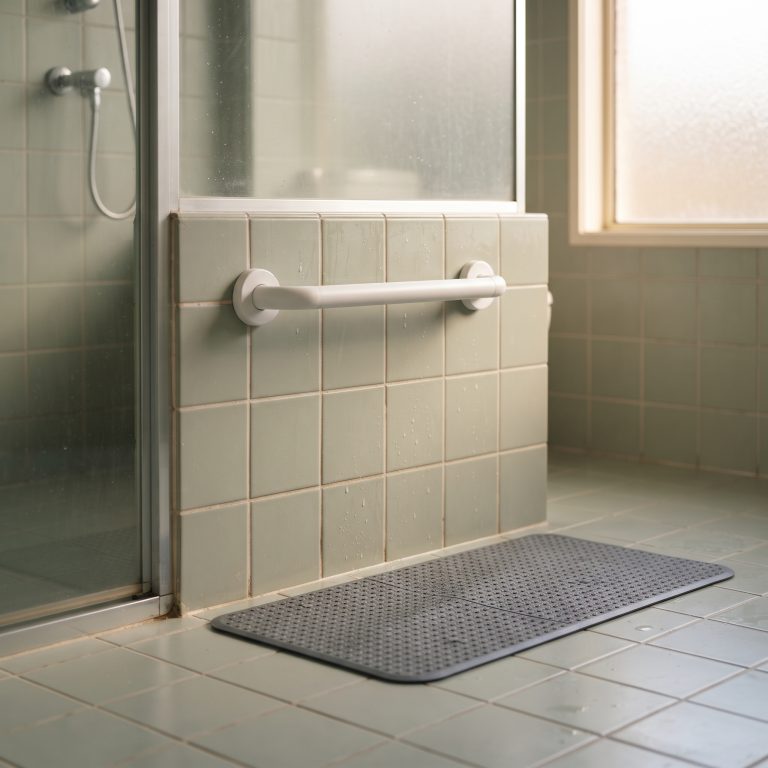
Walter is 78 and lives alone on two acres outside a small town near Waco, Texas. After his second fall getting out of his bathtub in six months, his doctor recommended a walk-in shower with a built-in seat and grab bars, a project that would run close to $9,000. Walter assumed Medicare would cover at least part of it, since his doctor had written the recommendation. It won’t cover any of it. Original Medicare treats home modifications as a comfort and convenience item, not medical equipment, regardless of what a doctor recommends. What Walter didn’t know is that his rural address and his age put him in reach of a federal program built almost exactly for his situation.
Why Medicare isn’t the answer
Check Medicare’s own list of covered durable medical equipment and you’ll find canes, walkers, wheelchairs, and hospital beds. You will not find grab bars, ramps, stairlifts, or walk-in tubs anywhere on it. Medicare draws a hard line between equipment that treats a medical condition and modifications to the structure of a home, and it places nearly everything aging-in-place related on the wrong side of that line, no matter what a physician recommends. A small number of Medicare Advantage plans offer a modest annual allowance, sometimes a few hundred dollars, for home safety items, but that’s a plan-specific extra, not something Original Medicare provides, and it’s rarely enough to cover a real project.
That means the money has to come from somewhere else. Three programs are worth checking, and which one fits depends heavily on where you live and what your income looks like.
USDA’s rural home repair program
The U.S. Department of Agriculture’s Section 504 Home Repair program offers two forms of help to very-low-income homeowners in eligible rural areas: a loan of up to $40,000 at a fixed 1% interest rate over up to 20 years, and, for homeowners 62 and older, a grant of up to $10,000 (up to $15,000 in a federally declared disaster area) to remove health and safety hazards. The grant has a lifetime limit of $10,000 and must be repaid if the home is sold within three years of receiving it. Combined, the loan and grant can total up to $50,000.
The catch is right there in the name: this program is rural-only, and income limits are tied to the county’s “very low income” threshold. A homeowner in a suburb or a mid-size city generally won’t qualify no matter their age or need, which is exactly why Walter, on two rural acres outside a small Texas town, is a stronger fit for this program than most retirees living in a subdivision.
Medicaid waivers and your local Area Agency on Aging
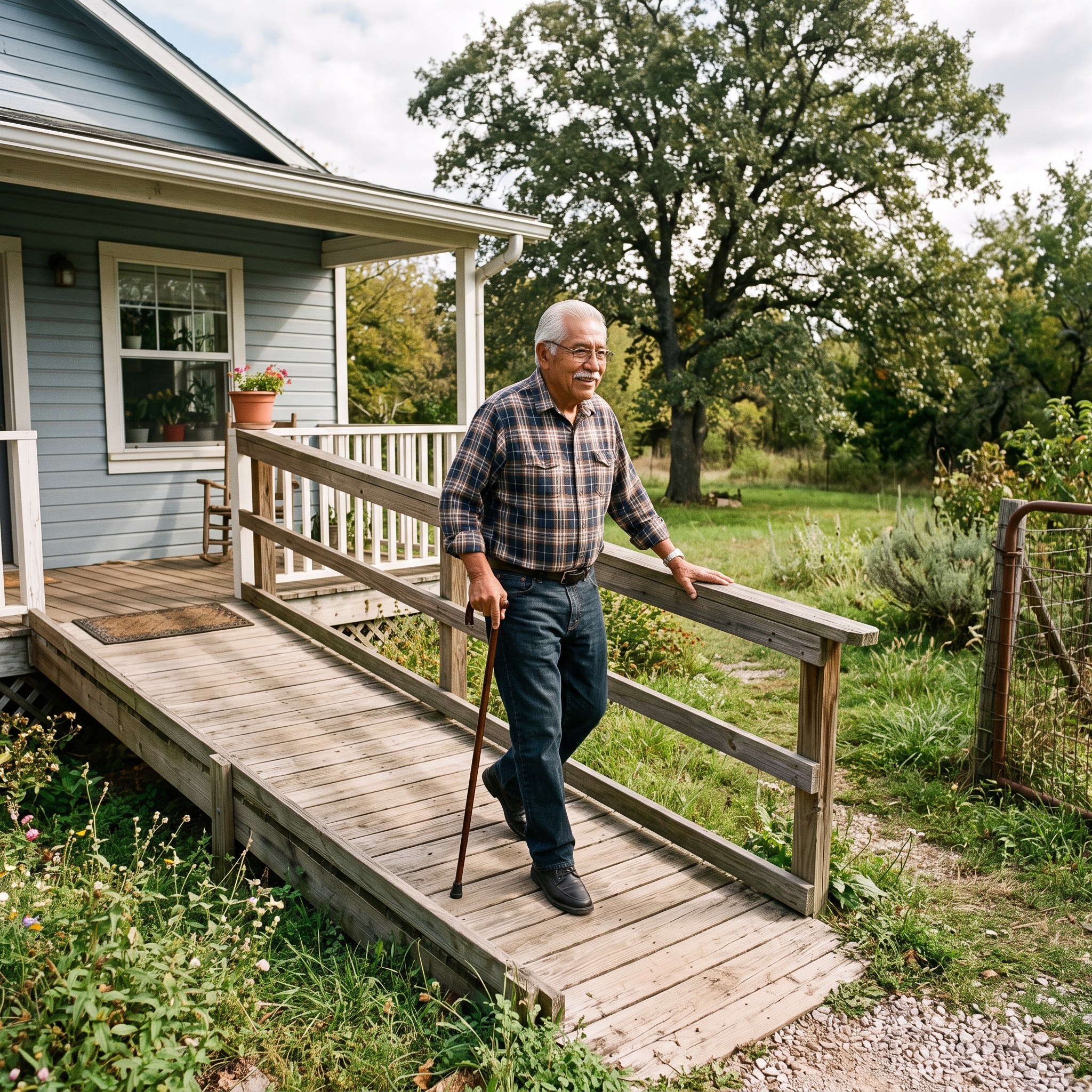
For homeowners who don’t fit USDA’s rural footprint, two other routes are worth calling about. Medicaid’s Home and Community-Based Services (HCBS) waivers let states cover long-term care services in a person’s own home instead of a nursing facility. Roughly 257 of these waiver programs operate nationwide, and home accessibility modifications are a commonly covered service, though exactly what’s covered and up to what dollar amount depends entirely on your state’s specific waiver. This route generally applies to Medicaid enrollees, not everyone with Medicare.
Separately, the Older Americans Act funds home modification and repair assistance through local Area Agencies on Aging for anyone 60 or older, regardless of Medicaid status. Funding levels and what’s covered vary widely by area, since each Area Agency on Aging sets its own program within federal guidelines, but it costs nothing to call and ask what’s currently available in your county.
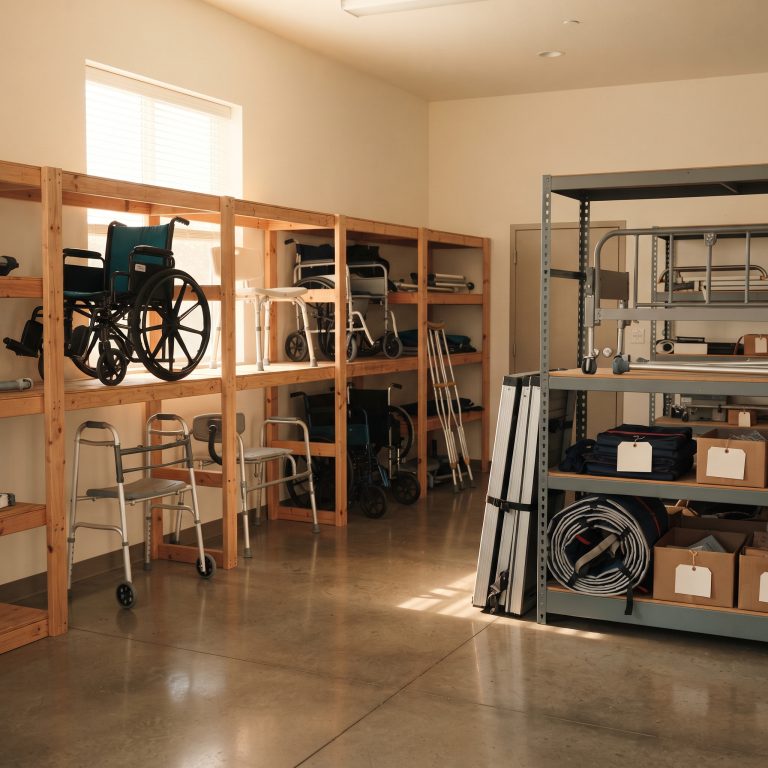
Before committing to any of these funding routes for equipment rather than construction, check your state’s Assistive Technology Act program. These federally funded loan libraries and reuse programs let you borrow or receive grab bars, shower chairs, ramps, and other adaptive equipment at no cost, often faster than waiting on a grant or waiver decision.
The tax deduction almost nobody uses
Here’s a real cost offset that has nothing to do with grants at all. IRS Publication 502 allows medically necessary home modifications to be deducted as a medical expense, including entrance and exit ramps, widened doorways and hallways, bathroom support bars and railings, lowered cabinets, modified stairways, and porch lifts. If the modification doesn’t increase your home’s resale value, the entire cost is deductible, subject to the standard 7.5%-of-income medical expense threshold that applies to all deductible medical costs. If it does increase resale value, only the cost above that value increase counts.
For Walter’s $9,000 walk-in shower, that means if an appraiser determines the shower adds $2,000 to his home’s resale value, $7,000 of the project cost is treated as a deductible medical expense, still subject to clearing 7.5% of his adjusted gross income along with his other medical costs for the year. It’s not a check in the mail, but for a retiree already itemizing medical expenses, it can meaningfully offset the bill.
What seniors get wrong
The most common mistake is assuming Medicare will cover at least part of a doctor-recommended modification. It won’t, categorically, and finding that out after the work is done is the worst time to learn it. Check funding sources before signing a contract, not after. The second is assuming a well-known program like USDA’s applies everywhere. It doesn’t. The rural-area and very-low-income requirements rule out most suburban and urban homeowners, which is exactly why the Medicaid waiver and Area Agency on Aging routes matter for everyone else.
A grant or loan hands you the money and lets you pick the contractor. If you’d rather have a nurse and an occupational therapist assess the home first and direct a small, targeted repair budget themselves, the CAPABLE program works differently and may be funded in your area.
Home modifications aren’t the only cost an adult child ends up helping with. If you’re also paying for a parent’s day-to-day care, a federal tax credit for family caregivers can offset some of that cost even if your parent lives independently.
Frequently asked questions
Does Medicare Advantage cover home modifications if Original Medicare doesn’t? Some Medicare Advantage plans offer a supplemental allowance for home safety items, but it’s plan-specific, usually modest, and not guaranteed. Check your plan’s Evidence of Coverage document for a specific home safety or personal care benefit. The same plan-by-plan logic applies to medical alert systems, which Original Medicare does not cover either.
I live in a suburb, not a rural area. Am I completely out of luck for USDA’s program? Yes, for that specific program. Section 504 requires a USDA-eligible rural address. Check the Medicaid HCBS waiver and your local Area Agency on Aging instead, since neither one has a rural requirement.
Do I need a doctor’s note to claim the IRS medical expense deduction for a home modification? The IRS doesn’t require a doctor’s note as a blanket rule, but documentation showing the medical necessity of the modification strengthens your position if the deduction is ever questioned. Keep receipts and any medical recommendation you received.
What’s the fastest of these programs to actually get money from? There’s no universal answer, since it depends on your state’s Medicaid waiver waitlist and your Area Agency on Aging’s current funding. Call your local Area Agency on Aging first. They can typically tell you same-day which local and state programs currently have funding available.