

Non-Emergency Medical Transportation (NEMT): Medicaid’s Free Ride to the Doctor for 2026
7 min read · Last updated August 23, 2026
- Federal regulation 42 CFR (Code of Federal Regulations) 431.53, written into the Social Security Act by the Consolidated Appropriations Act of 2021, requires every state Medicaid program to provide Non-Emergency Medical Transportation (NEMT) at no cost to enrollees who have no other way to get to a covered appointment.
- If you are already enrolled in Medicaid, you already qualify for NEMT in most states. There is usually no separate application to fill out.
- Rides must be booked ahead of time, and the window varies by state: Georgia requires 3 business days, North Carolina requires 2 days (4 for some plans), and Illinois requires 48 hours.
- Original Medicare pays for ambulance transportation only, and only when a doctor certifies that any other vehicle would endanger your health. It does not pay for a routine van, taxi, or rideshare trip to a checkup.
In this article
- What non-emergency medical transportation is
- Who qualifies for a free ride
- What the ride benefit actually covers
- How to schedule a ride
- The mistake that costs seniors free rides
- Frequently asked questions
Dolores Fernandez, 74, missed three cardiology follow-up appointments in a row before a hospital social worker finally told her that Medicaid, not Medicare, was required by federal law to send a van to her door for free, every time she asked. She had spent a year assuming no ride meant no appointment.
What non-emergency medical transportation is
Non-Emergency Medical Transportation (NEMT) is the Medicaid benefit that pays for a ride to and from a covered medical appointment when a person has no other way to get there. “Non-emergency” simply separates it from a 911 ambulance call. It covers a routine trip to a primary care visit, a dialysis center, a specialist, a pharmacy pickup, or a mental health appointment.
This is a federal requirement, not something a state chooses to offer. Under 42 CFR (Code of Federal Regulations) 431.53, every state Medicaid plan must “specify that the Medicaid agency will ensure necessary transportation for beneficiaries to and from providers” and describe exactly how it will do that. In December 2020, Congress wrote that same requirement directly into the Social Security Act through the Consolidated Appropriations Act, 2021, closing off any argument that a state could drop the benefit to save money. NEMT is one of the few benefits that sets Medicaid apart from private insurance and from Medicare, both of which generally stop at emergency transport, according to the Centers for Medicare & Medicaid Services.
Who qualifies for a free ride
If you are enrolled in Medicaid, you already meet the eligibility test for NEMT in most states. The income and asset rules are whatever rules got you onto Medicaid in the first place. There is no separate income test layered on top for the ride itself, and in most states there is no separate application. The only real test is need: you must be headed to a service Medicaid covers, and you must not have another way to get there, such as a family member who can drive you or a car of your own.
This matters most for people who are dual-eligible, meaning they are enrolled in both Medicare and Medicaid at the same time. Many people 65 and older fall into this group because their income is low enough to qualify for both programs. If that is your situation, you already have the Medicaid ride benefit sitting unused, because most people in this group assume the transportation gap is something Medicare should be filling.
What the ride benefit actually covers
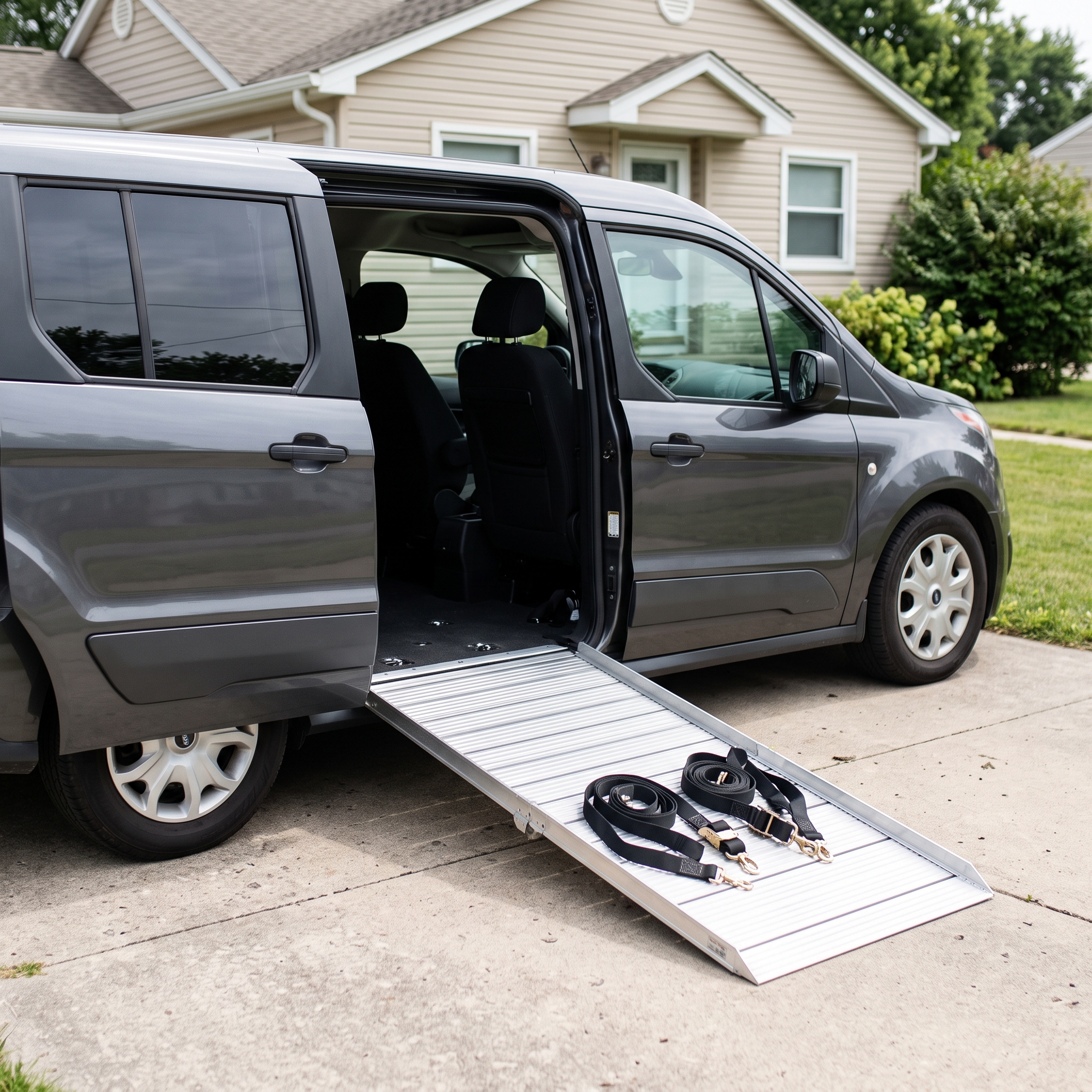
Coverage varies by state, but the shape of the benefit is consistent. States typically offer a sedan or van ride for enrollees who can travel independently, a wheelchair-accessible vehicle for enrollees who use one, and in some states, a reimbursement for public transit fare or for mileage if a family member or friend drives you instead. A few states also cover an accompanying caregiver’s seat on the same trip, particularly for children or for enrollees who need help once they arrive.
What it does not cover is a ride for something Medicaid does not otherwise pay for, and it does not cover transportation you could have arranged yourself with a car sitting in your driveway. States are allowed to ask you to confirm you lack another option before booking the trip.
How to schedule a ride
You do not call 911 or a taxi company directly. Most states contract with a transportation broker, a private company that manages ride scheduling for the whole state or for your specific Medicaid health plan. You call the number on your Medicaid card or your managed care plan’s member card, give them your appointment date, time, and location, and they dispatch the ride.
Advance notice is the part that trips people up. Every state sets its own window, and it is rarely same-day except for hospital discharges or urgent add-on visits. The table below shows how four states currently handle it.
| State | Transportation broker or contact | Advance notice required | How to book |
|---|---|---|---|
| Georgia | Verida (statewide) | 3 business days | Online member portal or phone, Monday-Friday |
| North Carolina | Number on your health plan ID card | 2 days (4 days for NC Medicaid Direct) | Phone call to your plan’s broker |
| Missouri | State Medicaid transportation line | 3 days | Phone call, except urgent care or hospital discharge |
| Illinois | Your managed care organization’s broker | 48 hours | Phone call to your plan |
A same-day request for a routine appointment will usually be denied. If you know you have a standing weekly appointment, such as dialysis, ask your broker about setting up a recurring ride order instead of calling every single week.
The mistake that costs seniors free rides
The single biggest reason people miss this benefit is assuming Medicare handles it. It does not. Original Medicare pays for an ambulance, and only when a doctor certifies in writing that riding in any other vehicle would put your health at risk, according to Medicare’s own coverage rules. A routine trip to a follow-up visit, a lab draw, or a pharmacy does not qualify, no matter how much you need the ride.
This one gap causes people to give up on getting to appointments they are legally entitled to reach for free. Before you assume you have no transportation option, check two things: whether you are enrolled in Medicaid at all, and if you are, whether you have ever called your state’s transportation broker. A large share of dual-eligible seniors have never made that call, not because they were denied, but because nobody told them the number existed. Some Medicare Advantage plans also add a limited transportation perk as an extra benefit, but that is a plan-specific add-on, not a guarantee, and it is separate from the federally required Medicaid benefit described here.
If your local Area Agency on Aging is easier to reach than a state hotline, Area Agencies on Aging can also help confirm your Medicaid status and point you to local transportation options if you are not sure where you stand. And if a single ride to a single appointment isn’t the real problem, because you need ongoing help with several parts of daily life at once, the PACE program (Program of All-Inclusive Care for the Elderly) bundles transportation into a broader all-inclusive model of care that may fit better than ride-only help.
Frequently asked questions
Do I need to apply separately for the Medicaid ride benefit? In most states, no. If you’re already enrolled in Medicaid, you’re already eligible for non-emergency medical transportation. You typically just call your state’s transportation broker or the number on your Medicaid card to book a ride, rather than filling out a second application for the benefit itself.
I have both Medicare and Medicaid. Which one pays for my ride? Medicaid does. Being dual-eligible means you have both programs, but Medicare generally only covers ambulance transport in narrow, medically necessary cases. The routine ride to your appointment is a Medicaid benefit, so you should be calling your Medicaid transportation broker, not asking your Medicare plan.
Can I get reimbursed for driving myself or having a family member drive me? Many states offer mileage reimbursement as an alternative to a scheduled ride, though the exact process and rate vary by state. Ask your transportation broker whether your state offers this option and what documentation they need before the trip, since some states require prior approval.
What happens if I need a ride the same day? Same-day requests are usually only granted for hospital discharges or genuinely urgent situations, not routine follow-ups. If you have a recurring appointment like dialysis, ask your broker about setting up a standing ride order in advance so you’re not calling every week.
Does this benefit cover a ride to the pharmacy, not just a doctor visit? Yes, in most states. Non-emergency medical transportation generally covers any Medicaid-covered service, which typically includes prescription pickups at the pharmacy, not only doctor and specialist visits. Confirm the exact list of covered destinations with your state’s transportation broker, since it can vary slightly from state to state.