

Medicare’s Home Health Benefit: Skilled Nursing at Home, Not All-Day Custodial Care
8 min read · Last updated September 1, 2026
- Medicare Part A and Part B pay $0 coinsurance for covered home health visits once a doctor certifies the need. Only durable medical equipment carries the standard 20% coinsurance.
- “Homebound” has a specific two-part test: a normal inability to leave home, and leaving that requires “considerable and taxing effort,” per Medicare’s own rulebook for its contractors.
- The certifying doctor’s face-to-face visit has to happen no more than 90 days before home health starts, or within 30 days after.
- Medicare’s home health benefit does not pay for 24-hour supervision or custodial help alone. The 2025 national median rate for that kind of private in-home care runs $35 an hour.
In this article
- What Original Medicare’s home health benefit covers
- Who qualifies: the homebound rule and physician certification
- What Medicare’s home health benefit does not cover
- How to apply for Medicare home health services
- The daily custodial care mistake that costs families thousands
- Frequently asked questions
Eleanor, 78, broke her hip in a fall and spent five days in the hospital before coming home. Her son Daniel assumed Medicare would send someone to be with her every day while she recovered, the way it had covered her hospital stay. It doesn’t work that way. Medicare’s home health benefit paid for a nurse to check her incision twice a week and a physical therapist to come three times a week. It did not pay for anyone to sit with Eleanor the other days, help her bathe on a schedule, or make sure she ate lunch.
What Original Medicare’s home health benefit covers
Home health is a Medicare Part A and Part B benefit for care you get in your own home, aimed at helping you recover from an illness or injury, manage a condition, or avoid it getting worse. It’s built around short, skilled visits, not round-the-clock help.
When you qualify, Medicare covers:
- Part-time or intermittent skilled nursing care, like wound care, injections, and monitoring an unstable condition
- Physical therapy, occupational therapy, and speech-language pathology services, once you meet the eligibility conditions below
- Medical social services, which connect you to community resources tied to your care plan
- Part-time home health aide care, such as help bathing or dressing, but only when you’re also getting one of the skilled services above at the same time
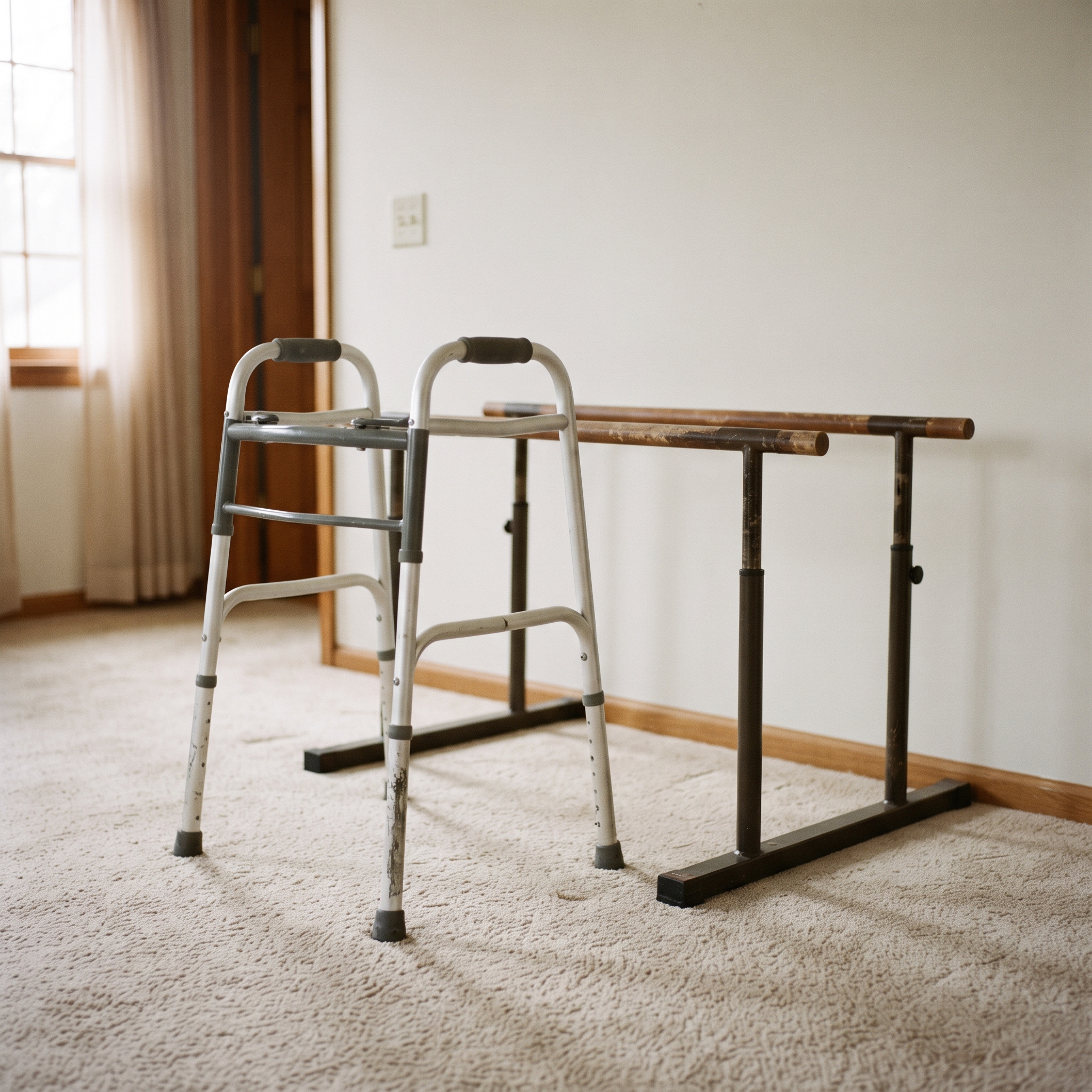
- Durable medical equipment, like a hospital bed or walker, and medical supplies used at home
“Part-time or intermittent” has a real ceiling, not just a vague sense of “not every day.” In most cases it means up to 8 hours a day combined between skilled nursing and aide visits, capped at 28 hours a week. Your doctor can order more, up to 35 hours a week, if your condition needs it for a short stretch. That’s the outer edge of what home health covers, and it still requires an active skilled-care need behind it.
Who qualifies: the homebound rule and physician certification
Five things have to line up before Medicare pays for home health care.
You have to be homebound. Medicare’s own rulebook for its contractors, the Medicare Benefit Policy Manual, defines this as a two-part test. First, either you need help from a device, special transportation, or another person to leave home because of an illness or injury, or leaving home is medically unsafe for you. Second, you’re normally unable to leave home, and doing it takes considerable and taxing effort. You can still count as homebound if you leave home for medical treatment, adult day care, or short, infrequent trips like a religious service, a haircut, or a family event.
A doctor, or an allowed non-physician practitioner like a nurse practitioner, has to certify that you need skilled care and put together a plan of care that gets reviewed periodically.
That certifying provider has to see you face-to-face. The visit has to happen no more than 90 days before your home health care starts, or within 30 days after it starts. If your condition changed after that visit in a way that would normally call for another exam, the provider has to see you again within 30 days of your care starting.
You have to need at least one of these on an ongoing, intermittent basis: skilled nursing care, physical therapy, speech-language pathology services, or continuing occupational therapy. Needing only occasional blood draws doesn’t count on its own.
The agency providing your care has to be Medicare-certified. Your doctor’s office can give you a list of certified agencies that serve your area.
What Medicare’s home health benefit does not cover
This is where the gap catches families. Medicare’s home health benefit does not pay for:
- 24-hour-a-day care at home
- Home meal delivery
- Homemaker services, like shopping or housecleaning, that aren’t tied to your skilled care plan
- Custodial or personal care, such as help with bathing, dressing, or using the bathroom, when that’s the only help you need
That last one is the rule that trips up the most families. If a home health aide is already coming to help you because you’re also getting skilled nursing or therapy, Medicare covers that aide’s time. If custodial help is the only thing you need, with no skilled service attached to it, Medicare’s home health benefit covers none of it.
How to apply for Medicare home health services
You don’t apply for home health the way you’d apply for a benefit at a government office. It starts with your doctor. Talk to your doctor or the discharge planner at the hospital about a home health referral. They order the care, certify that you meet the requirements above, and connect you with a Medicare-certified agency serving your area. The agency will contact you to schedule an assessment, and they’re required to tell you in writing, before care starts, what Medicare will pay for and what you’d owe out of pocket. You can find certified agencies near you through Medicare’s home health services page, which also covers your costs and rights in more detail.
The daily custodial care mistake that costs families thousands
Daniel’s assumption is the single most common misread of this benefit. Before you count on Medicare to cover ongoing daily help at home, separate what your family actually needs into two buckets: skilled care, and custodial presence. Medicare only pays for the first one.
Here’s what that gap costs in real dollars. Say Eleanor needs someone in the home for 6 hours a day, 7 days a week, mostly for supervision and help with daily tasks, not skilled nursing. At the 2025 national median hourly rate for non-medical in-home caregiver services, $35 an hour, reported by the CareScout Cost of Care Survey, that’s 42 hours a week at $35, or $1,470 a week. Sustained for a full year, that’s $76,440 in private-pay caregiving, none of it reimbursed by Medicare’s home health benefit, because custodial-only care doesn’t meet the skilled-care requirement no matter how long it continues.
That doesn’t mean there’s no help available for that kind of daily support. It means it doesn’t come through this particular Medicare benefit. Programs funded under the Older Americans Act cover in-home services like homemaker help and personal care that Medicare’s home health benefit leaves out, and they’re worth checking before assuming private pay is the only option.
Frequently asked questions
Does Medicare pay for someone to stay with my parent all day after a hospital stay? No. Medicare’s home health benefit covers skilled visits like nursing and therapy, not an all-day presence in the home. If your parent’s only need is supervision or help with daily tasks, that falls outside this benefit, even if the need is real and ongoing.
What counts as “homebound” if I can still leave the house sometimes? You can still qualify. Homebound doesn’t mean never leaving home. It means leaving takes considerable effort and isn’t your normal routine. Trips for medical treatment, adult day care, or short, infrequent outings like a religious service or haircut don’t disqualify you.
Who has to certify that I need home health care? A doctor or an allowed non-physician practitioner, such as a nurse practitioner, has to certify your need and set up your plan of care. That provider also has to see you face-to-face within 90 days before or 30 days after your care starts.
How long can I keep getting home health visits? There’s no fixed cap on the number of visits if you keep meeting the requirements, but “part-time or intermittent” limits how much care you get at once, generally up to 28 hours a week combined nursing and aide care, or 35 hours for a short period if your doctor orders it.
Does Medicare Advantage cover home health differently than Original Medicare? Medicare Advantage plans (Part C) must cover at least what Original Medicare covers for home health, but the specific network, prior authorization steps, and paperwork can differ by plan. Check your plan’s documents or call your plan directly for its exact process.