Every guide YourResourceHub has published, newest first. Each one follows the same structure: what the benefit is, who qualifies in plain dollars, what it actually covers, how to apply, and what people commonly get wrong, and every figure is checked against our Editorial Standards before it goes live. Looking for a specific topic instead of browsing chronologically? Jump straight to a category: Medicare and Health Coverage, Social Security and Retirement Income, Senior Assistance Programs, Aging in Place and Home Safety, or Caregiver and Family Support.
-
When Diane Klein’s father got a letter warning his Medicare Advantage drug costs would jump to $1,860 next year, she found a free, federally funded counselor who would not try to sell him anything new.
-
Ruth Feldman has lived in the same Yonkers apartment cooperative for over thirty years, and a nurse now checks her blood pressure in the lobby twice a month without her ever having to move.
-
Bertha called 211 asking about “the LIHEAP for water bills” after a $612 shutoff notice, only to learn the program she meant had stopped taking applications two years earlier.
-
Patricia Reyes assumed she had nothing to claim on her ex-husband’s Social Security record until he filed for his own benefit. After 16 years of marriage and three years divorced, she was wrong.
-
A son learns that his mother’s rehab coverage can end on day 19, not day 100, and that the reason has nothing to do with running out of covered days.
-
Denise’s mother could still hold a conversation, but she couldn’t remember to move her Social Security deposit into the account her landlord accepted. Here’s how Denise became her payee, and what the job actually requires every year after.
-
Every state runs a free, confidential advocate for nursing home and assisted living residents under federal law, and it is not means-tested like most benefits on this site.
-
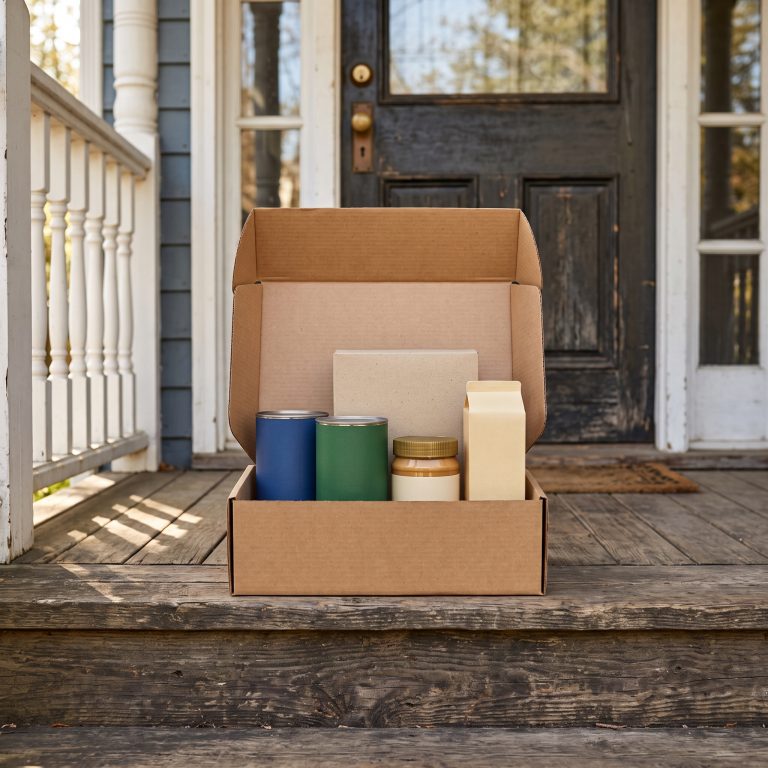
A free monthly box of shelf-stable groceries for adults 60 and older, funded by USDA and distributed through state agencies. Here’s who qualifies and how CSFP is different from SNAP.
-
Social Security’s 2026 raise came from a specific government formula, not a guess. Here is the exact math behind the 2.8% increase, and why part of it never reaches your bank account.
-
The old Part D “donut hole” is gone. In its place is a hard $2,100 annual limit on what you pay for covered drugs, plus a new option to spread that cost into monthly bills.