Medicare Part B’s Fall Risk Evaluation: The Visit It Covers, the Grab Bar It Won’t
By YourResourceHub Editorial Team · Reviewed by Steven Sun · 8 min read · Last updated October 6, 2026
- Medicare Part B covers a physician-ordered Physical Therapy (PT) evaluation and an Occupational Therapist (OT)-led home safety assessment for fall risk, when a doctor orders it and documents medical necessity.
- You pay 20% coinsurance on the Medicare-approved amount after the 2026 Part B deductible of $283, with no visit cap, though extra documentation kicks in once your combined PT costs for the year cross a set threshold.
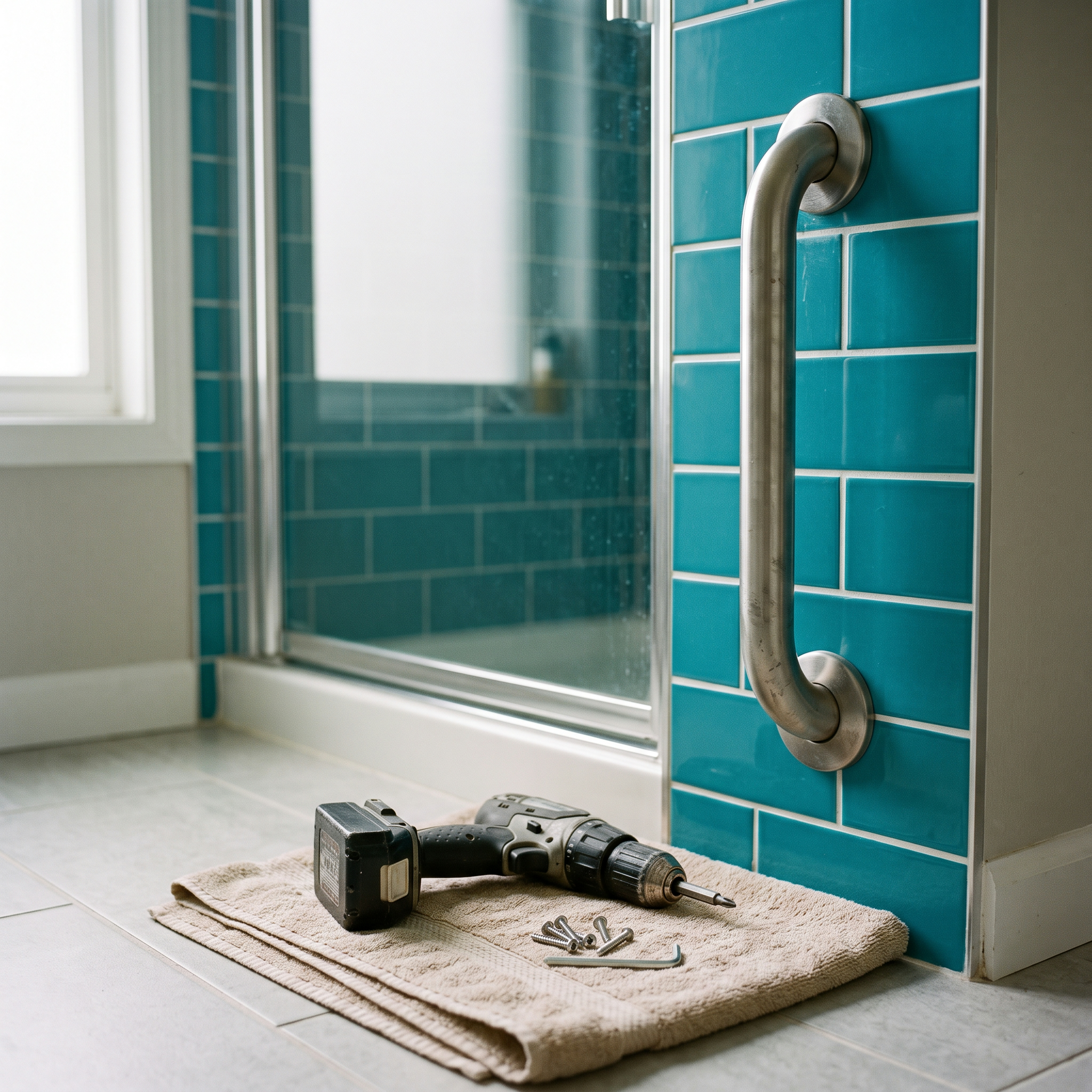
- Medicare Part B does not cover grab bars, ramps, stairlifts, or any other home modification, even when the OT’s own written report recommends installing one.
- The assessment is a covered medical service. The hardware it recommends is a separate purchase, usually paid for through grants, loans, or a state Medicaid waiver, not Medicare.
Medicare Part B pays for the evaluation that identifies your fall risk. It does not pay for a single grab bar, ramp, or stairlift that evaluation tells you to install.
In this article
- What Medicare Part B’s fall risk evaluation actually covers
- The cost-sharing math: deductible, coinsurance, and the therapy threshold
- What Medicare Part B does not cover
- Where the hardware gap gets filled instead
- What seniors get wrong about the assessment versus the equipment
- Frequently asked questions
The coverage line runs through one test: Durable Medical Equipment (DME). Medicare Part B pays 80% of a covered PT or OT evaluation, after the $283 Part B deductible. It pays 0% toward a grab bar, ramp, or stairlift, no matter who ordered the evaluation.
Carol is 74 and lives alone outside Tucson. After two near-falls getting out of the shower, her primary care doctor ordered a Medicare Part B fall risk evaluation.
A physical therapist assessed her balance and gait. An occupational therapist walked through her home, room by room.
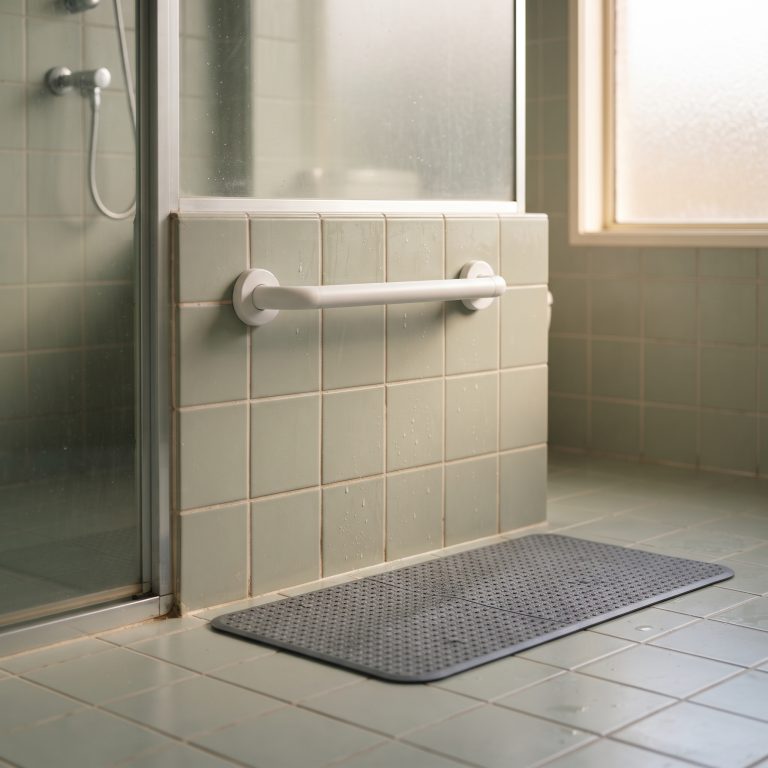
The OT’s report was specific: install a grab bar by the shower, add a second one by the toilet, and replace the bath mat with a non-slip version.
Carol assumed Medicare would cover the list, since it had just paid for the visit that produced it. It didn’t.
What Medicare Part B’s Fall Risk Evaluation Actually Covers
A Medicare Part B fall risk evaluation starts with a doctor’s order. Your physician or a nurse practitioner has to certify that the service is medically necessary before Medicare pays for any of it.
From there, two professionals typically do the work. A physical therapist evaluates your balance, gait, strength, and fall history, then writes a plan of care. An occupational therapist does the home half: walking through your bathroom, stairs, and bedroom, checking lighting, flooring, and clearance, and writing a report on what’s unsafe and what she recommends.
Both of these are covered outpatient therapy services under Medicare’s physical therapy coverage rules and its occupational therapy coverage rules. Medicare doesn’t distinguish between a general PT session and one that happens to focus on fall risk. If your doctor orders it and documents why it’s medically necessary, it’s billed and covered the same way any other outpatient therapy visit is.
Follow-up visits are covered too, as long as they’re tied to the plan of care your PT or OT put together after that first evaluation.
The cost-sharing math: deductible, coinsurance, and the therapy threshold
Medicare Part B doesn’t waive cost-sharing for a fall risk evaluation. You pay the same way you would for any other outpatient therapy visit.
First, your annual Part B deductible applies. For 2026, that deductible is $283, confirmed by the Centers for Medicare & Medicaid Services (CMS) in its own fact sheet on 2026 Part B premiums and deductibles. Once you’ve met it for the year, Medicare pays 80% of the Medicare-approved amount for the visit, and you owe the remaining 20% coinsurance.
Say a Medicare-approved OT home safety evaluation runs $200. Billed amounts vary by provider and location, so treat this as an illustration, not a quoted rate.
If you’ve already met your deductible, Medicare pays 80% of that amount, or $160. You owe the remaining 20% coinsurance, or $40.
There’s no hard cap on how many of these visits Medicare will pay for in a year. But a documentation checkpoint does exist.
For 2026, the combined PT and speech-language pathology threshold is $2,480 a year, and OT has its own separate $2,480 threshold. Once your costs cross that mark, your provider must attach a KX modifier to keep getting paid.
A KX modifier is a billing code confirming the continued therapy is still medically necessary. CMS’s therapy services page lists a second, higher threshold too: claims above $3,000 can get pulled for a targeted medical review.
Neither number stops your coverage. They just add a documentation step.
| Medicare Part B covers | Medicare Part B does not cover |
|---|---|
| Physician-ordered PT evaluation and plan of care | Grab bars installed by the shower, tub, or toilet |
| OT-led home safety and fall-risk assessment | Wheelchair ramps built onto the home |
| Follow-up PT or OT visits tied to the plan of care | Stairlifts and stair railings |
| DME that meets Medicare’s 5-part test, like walkers, canes, and commode chairs | Bathroom remodels, walk-in tub conversions, non-slip flooring installation |
What Medicare Part B does not cover
DME is the category that trips people up. Medicare’s own DME coverage page lays out a 5-part test. Equipment must be durable, used for a medical reason, and typically useful only to someone who’s sick or injured.
It also has to be used in your home and expected to last at least three years. Walkers, canes, and commode chairs clear that test and show up on Medicare’s covered list.

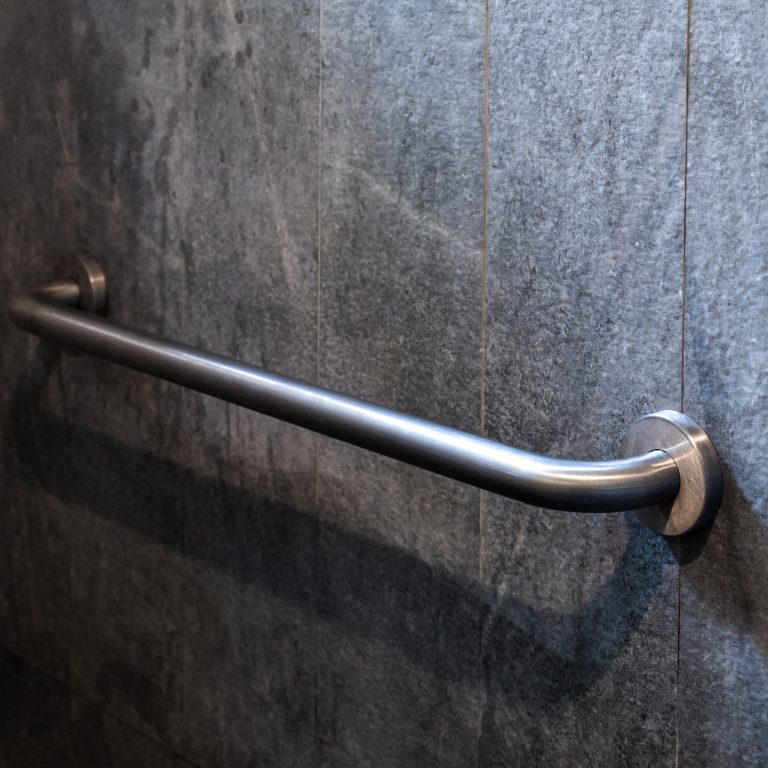
A grab bar doesn’t clear it the same way. Once it’s bolted to a wall, it becomes a fixture, not portable equipment.
It’s just as useful to a houseguest as it is to Carol. CMS treats a permanently installed grab bar, ramp, or stairlift as a structural change to the home, not as DME. That’s why none of them show up on Medicare’s covered equipment list.
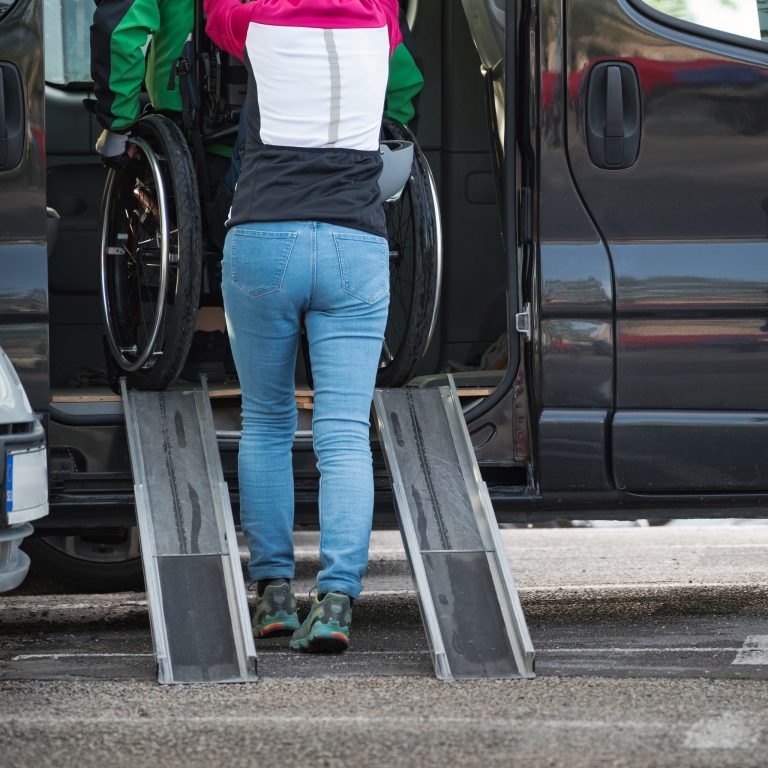
The same logic rules out ramps, stairlifts, walk-in tub conversions, and non-slip flooring installation. It doesn’t matter that an OT’s written report recommended the exact item.
The recommendation is a covered clinical service. The thing it recommends is not.
Where the hardware gap gets filled instead
Carol still needed the grab bars. Medicare’s fall risk evaluation didn’t pay for them, but that doesn’t mean she had to pay full price out of pocket either.
YourResourceHub’s own breakdown of home modification grants and loans for aging in place covers the programs that do pay for grab bars and ramps. U.S. Department of Agriculture (USDA) grants and low-interest loans are available to rural homeowners 62 and older.
State assistive technology programs loan out equipment like grab bars at no cost. Area Agency on Aging funding is available regardless of Medicaid status.
In some states, a Medicaid Home and Community-Based Services (HCBS) waiver covers home accessibility modifications too. Availability and dollar limits vary by state and by waiver.
That gap between the covered evaluation and the uncovered hardware is also where Medicare Advantage plans occasionally step in. Some plans offer limited home safety device benefits through a supplemental program for chronically ill members. Coverage is optional and plan-specific, so check your own plan’s documents rather than assuming it applies.
That same evaluation often leads to a referral for ongoing balance work, not just equipment. See A Matter of Balance and Tai Chi for Arthritis for Fall Prevention for the two specific classes most seniors get referred to next, and how each one gets paid for.
What seniors get wrong about the assessment versus the equipment
The mistake is assuming a doctor’s order and an OT’s written recommendation make the hardware billable. They don’t.
The order and the recommendation make the evaluation visit billable. The grab bar itself stays a separate purchase, no matter how official the paperwork looks.
Before scheduling a Medicare Part B fall risk evaluation, ask your doctor’s office two questions. What will the visit cost after your deductible, and will the OT send home a written equipment list?
If the answer is yes, start researching the grants, loans, or waiver options above before the appointment. Doing that now means you won’t pay retail for a grab bar the week you need it most.
Frequently asked questions
Does Medicare Part B cover a home safety evaluation if I haven’t fallen yet? Yes. A fall history helps your doctor justify medical necessity, but Medicare doesn’t require a documented fall first. If your doctor orders the evaluation and certifies that it’s medically necessary given your age, balance, or a medical condition, Part B covers it the same way.
Will Medicare pay for a grab bar if my doctor writes a prescription for one? No. A doctor’s order makes the evaluation visit billable to Medicare. It does not change how Medicare classifies the grab bar itself, since a bolted-in fixture fails Medicare’s own equipment test. Grab bars, ramps, and stairlifts stay outside Medicare’s durable medical equipment coverage regardless of who recommends them or how the request is worded.
Does Medicare Advantage cover home modifications that Original Medicare doesn’t? Some Medicare Advantage plans offer limited home safety benefits for chronically ill members through a supplemental benefit program, but this is optional and varies by plan. Check your specific plan’s benefit documents, since this is not guaranteed across all Medicare Advantage plans.
How much will I pay out of pocket for the PT and OT visits themselves? After your 2026 Part B deductible of $283, you pay 20% coinsurance on the Medicare-approved amount for each visit. There’s no limit on how many medically necessary therapy visits Medicare covers in a year, though your provider adds documentation once your costs cross a set yearly threshold.
What’s the fastest way to pay for a grab bar or ramp Medicare won’t cover? State assistive technology programs often loan out equipment like grab bars and ramps at no cost, faster than a grant application gets approved. Area Agency on Aging offices and USDA rural grants are the next places to check, depending on where you live and your income.